

When it comes to fuel storage, the choices you make can significantly impact your operations, budget, and peace of mind. Whether you're running a construction site, managing a farm, or operating an industrial facility, having the right fuel tank is crucial for efficiency, compliance, and long-term savings. But let's be honest—fuel tanks, with their various shapes, sizes, and specifications, can be a bit confusing. That’s why we’ve created this ultimate guide to break down the options, key features, and insider tips to help you make the best decision for your needs.
Understanding Fuel Tank Types
Fuel storage tanks generally fall into four main categories, each with unique applications and benefits. These types are horizontal tanks, vertical tanks, stationary tanks, and portable tanks. Knowing the differences can help you choose one that’s just right for your operation.
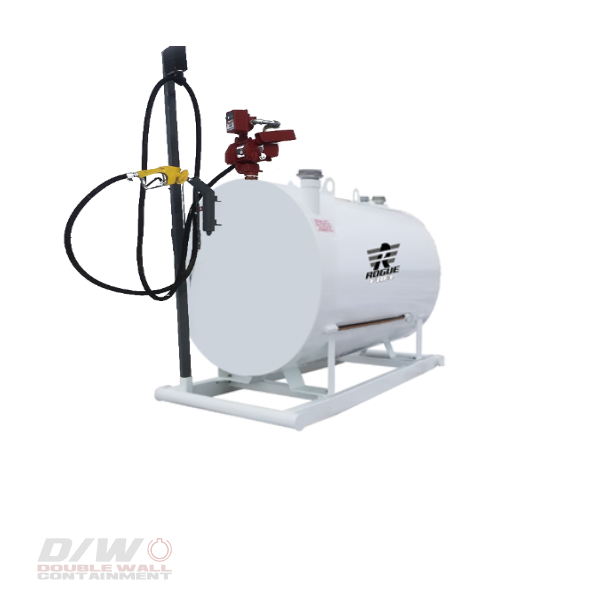
Horizontal Fuel Tanks
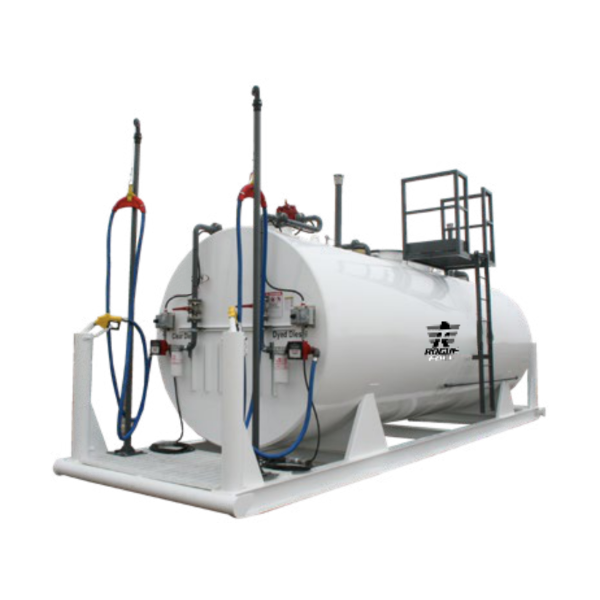
The go-to choice for farms, job sites, and industrial operations, horizontal tanks are known for their stability and versatility. Their low center of gravity helps prevent tipping, and they’re often mounted on skids for easier positioning. There's also a range of options, from light-duty skids for semi-permanent use on softer ground to heavy-duty (HD) skids that can withstand being dragged across rough terrain (when empty). Bonus tip? Double-wall horizontal tanks come with built-in containment, saving you the hassle of external spill prevention. You can explore all our horizontal tank options here.
Vertical Fuel Tanks
Perfect for operations with limited space, vertical tanks offer a higher storage capacity per square foot of ground space, making them an efficient option for bulk fuel storage. However, these tanks are typically stationary and require a proper foundation to ensure safety and compliance. Vertical setups are ideal for long-term storage solutions. While they don’t provide the mobility of horizontal tanks, they make up for it in capacity and durability.
Stationary Fuel Tanks
Stationary fuel tanks are designed for long-term placement and often come with customizable features like fork pockets for easier maneuverability, safety bollards to prevent accidental damage, and aerial hose retractors that keep hoses clean and out of harm’s way. Skid-mounted stationary tanks come in either standard or econo configurations, with Econo skids offering budget-friendly solutions for softer or uneven terrain.
Portable Fuel Tanks
For those on the move, portable tanks are a game-changer. They’re perfect for quick fuel transport to remote job sites or emergency fueling scenarios. Small designs under 450L are suitable for light-duty applications, while larger mobile options like Transcubes or Transtainers meet bulk fuel transport needs. Be sure to check local regulations on transportable fuel volumes to avoid costly penalties, and always invest in the largest portable tank your operations can safely and legally handle—you’ll save time, money, and headaches in the long run.
Why Double-Wall Tanks Are Worth It
If you’re unsure whether to go single-wall or double-wall, here’s the bottom line: double-wall tanks are safer, cleaner, and more compliant with environmental laws. Single-wall tanks often require additional spill containment, which can drive up costs. Plus, single walls typically have lower resale value, while double-wall tanks maintain their worth long-term. Despite their slightly higher upfront cost, double-wall tanks win hands-down when you consider durability and peace of mind. Check out our collection of double-wall tanks here.
What is a Split Tank?
A 70/30 or 50/50 split tank is divided into separate internal compartments, allowing you to store multiple fuel types—like diesel and gasoline—in one container. This is especially useful for mixed-fuel operations, where space efficiency and convenience are essential. Not sure if a split tank is right for you? We can help you weigh the pros and cons—reach out to our team anytime!
The Case for Bigger Tanks
Here’s an industry secret that can save you thousands of dollars annually—buy a tank twice the size you think you need. Why? Because fuel prices fluctuate. When prices drop, having extra storage allows you to stock up and save big. Missing out because of limited tank capacity could mean leaving thousands of dollars in potential savings on the table. For example, if fuel prices dip by $0.20/L, topping off a 10,000L tank saves you $2,000 compared to $1,000 with a 5,000L tank. It’s a no-brainer.
Also, larger tanks often qualify you for bulk fuel pricing discounts, so always ask your supplier about volume thresholds before making a purchase. At Rogue Fuel, our team can help you determine the sweet spot for capacity and cost-effectiveness based on your unique needs. Start by checking out our size options here.
Trusted Brands We Recommend
We work with some of the most trusted brands in the industry to ensure you get reliable, durable, and efficient fuel tanks. Here are a few of our top picks:
- Meridian MFG – High-performance horizontal and double-wall tanks.
- Formost MFG – Strong and versatile horizontal and vertical tanks.
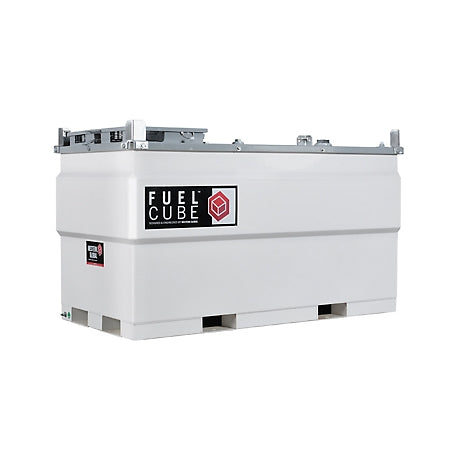
- Westeel / AGI Westeel – Known for their Fuel Cubes and Vault systems.
- Western Global – Makers of mobile solutions like Transcubes and Isotainers.
Want to browse options? Visit our product catalog at Rogue Fuel.
Accessories That Matter
Don’t overlook the extras—things like fork pockets, aerial hose retractors, and safety bollards can make your operation safer and more efficient. For example, replacing a damaged hose can cost upwards of $200, so preventing wear and abrasion with hose retractors is an easy win that saves money and frustration.
Choosing the right fuel storage tank isn’t just about capacity; it’s about planning for the future. The right tank can help you save money, improve efficiency, and stay compliant with regulations. And whether you’re managing an agricultural business or coordinating disaster relief operations, your fuel storage solution should fit your unique needs.
At Rogue Fuel, we’re here to guide you through the process—whether it’s buying your first fuel tank, upgrading to a double-wall system, or outfitting your mobile fleet. Visit us at Rogue Fuel to explore our complete selection of fuel tanks, accessories, and solutions. Or join the conversation by sharing your experiences and tips with our community. Together, we can keep your operations running smoothly, profitably, and safely!
Rogue Fuel
62-27507 TWP RD 544
Sturgeon County, Alberta, Canada
T8R 2B5
📞 Call: 780-686-4880
✉️ Mail: info@roguefuel.ca
🌐 Visit: https://www.roguefuel.ca
👍 Facebook: https://www.facebook.com/roguefuelcanada
📸 Instagram: https://www.instagram.com/roguefuelcanada
📺 YouTube: https://www.youtube.com/@MunroIndustries
🖥 Linkedin: https://www.linkedin.com/company/rogue-fuel
🌍 Main Directory: https://www.munroindustries.com