
Why does everything cost more? This blog explores the hidden reasons behind rising living expenses —inefficiency, poor accountability, and lack of competition. From school fees to taxes, uncover why costs keep climbing and learn how asking better questions can lead to transparency, efficiency, and real change.
Why Are You Paying More? It’s Time to Ask Tougher Questions
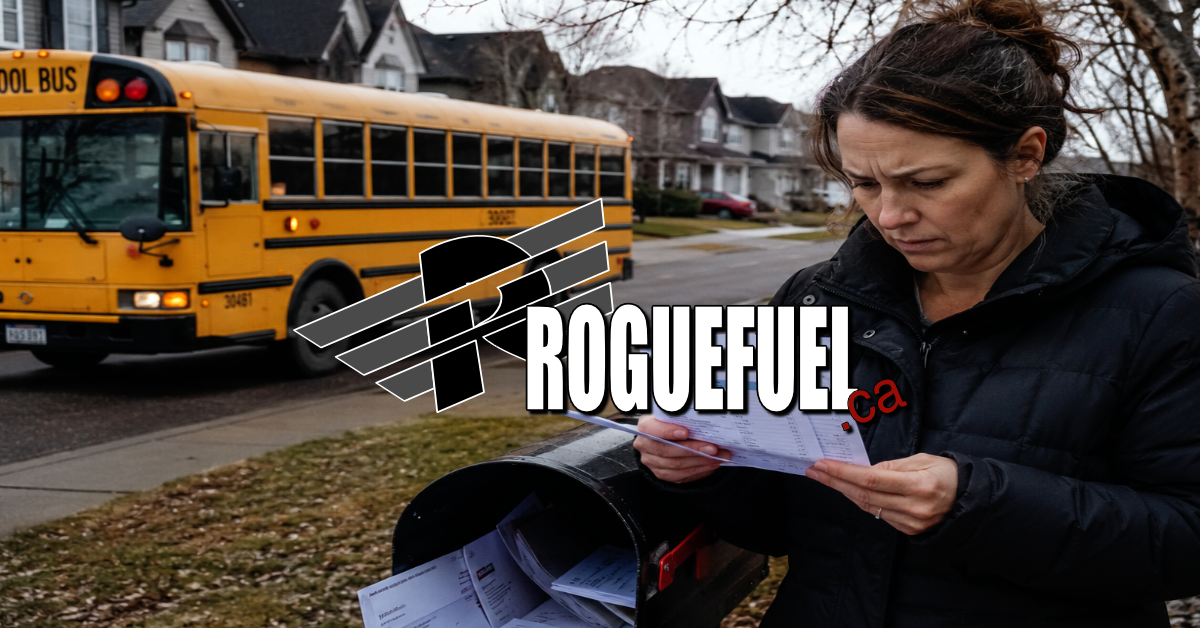
Have you noticed how the cost of living just keeps climbing? Every time you open your mailbox or check your email, there’s another bill waiting for you—school bus fees, taxes, insurance premiums, grocery bills, utilities—all rising with little explanation apart from inflation being blamed. For families across Canada, the financial pressure is relentless. But is inflation really the culprit, or is something else quietly driving these skyrocketing costs?
At a quick glance, the explanation seems straightforward. Rising fuel prices, higher insurance premiums, and labor costs are the usual suspects. However, these answers only scratch the surface. If everyone from service providers to large organizations claims they’re barely breaking even, yet you’re paying significantly more, doesn’t that raise an important question? Where exactly is all the money going, and why aren’t more people demanding clarity?
The Real Problem Behind Rising Costs
The core issue isn’t just inflation—it’s the lack of accountability. Many decisions that impact your finances are being made by people who will never personally feel their consequences. Imagine this scenario—the individual approving an expensive multi-year vendor contract doesn’t need to worry about how it could affect their own bare-bones budget. To them, it’s just another number on a spreadsheet.
This disconnect between decision-making and direct financial consequences results in a culture where inefficient practices and unchecked spending thrive. Over time, organizations end up paying more, delivering less, and expecting everyday people—like you—to make up the difference.
For example, many Canadian families have been hit with rising school transportation fees in cities like Calgary. The explanation given often sounds predictable—fuel costs, maintenance fees, labor expenses. But even if all of those factors are legitimate, they fail to explain a pivotal question that families are starting to ask themselves—why does no one seem to know where the rest of the money is going? The costs are passed on to parents, and the conversation stops there.
Is Bigger Always Better?
A common misconception is that larger organizations—government agencies, school boards, and co-operatives—are better equipped to negotiate advantageous deals due to their size and volume. What many Canadians don’t realize is that bigger doesn’t always equate to smarter or more efficient.
Too often, contracts are renewed automatically without competitive bidding. Relationships with suppliers are maintained simply because “it’s always been done this way.” Procurement teams aren’t pushed to explore alternatives or fight for better deals. This complacency allows inefficiencies to grow and competition to decline. The end result? Organizations pay more for less, and taxpayers and consumers pick up the tab.
Farmers have been dealing with these inefficiencies for decades. Many joined co-op purchasing programs expecting better pricing. Instead, they often found that independent competitors operating outside these networks were getting better deals with fewer restrictions and less red tape. The trend is clear—unchecked loyalty without accountability breeds wasteful spending, higher costs, and a loss of competitive advantages.
Why Accountability Matters More Than Loyalty
Loyalty can be a powerful asset in business and partnerships. Long-term relationships foster trust, mutual understanding, and resilience. But loyalty without accountability is a slippery slope that can easily spiral into complacency and inefficiency.
When a supplier or contractor comes to you asking for another price increase, do you ask for transparency, justification, or proof of added value? Do you hold them accountable for explaining exactly where your money is going—or have you fallen into the trap of blindly trusting that it’s all being handled correctly?
This problem doesn’t just impact families and farmers. It extends to every sector, from school districts and municipalities to healthcare providers and private corporations. Decisions made without proper oversight and accountability slowly chip away at efficiency, leaving taxpayers and consumers to cover the financial consequence of others’ poor decisions.
Hidden Costs That Fly Under the Radar
It’s easy to get frustrated over publicized scandals like a politician on a golf course during working hours or an executive receiving a bloated bonus. These stories generate public outrage because they’re simple, relatable, and easy to understand.
Yet, the real financial losses don’t make headlines. They happen quietly—uncompeted contracts, unchecked long-term agreements, outdated procurement processes. A poorly negotiated deal costs thousands. Years of repeating these mistakes cost millions, and by the time the public notices, it’s already too late.
These hidden costs add up, forcing families, farmers, and small business owners to work twice as hard just to keep up. This isn’t inflation. It’s a culture of misplaced priorities.
Start Asking Tougher Questions
If we want to fix this problem, we need to start digging deeper. The next time you receive a bill hike or pay an increasing fee, don’t just accept the explanation at face value. Ask better questions—questions that decision-makers aren’t used to hearing.
- Who approved this expense?
- Were alternative options or suppliers considered?
- Was the deal subject to competitive bidding, or were relationships prioritized over results?
- How is the extra money being spent, and is the value for those costs being delivered?
- Would this decision have been made if the money being spent was personal rather than public?
People manage their own finances very differently than they manage someone else’s. When the stakes are personal, they negotiate harder, compare prices, and demand value. Imagine if that standard were applied to the organizations managing public budgets.
The Bottom Line
The rising costs faced by families, farmers, and small businesses across Canada aren’t inevitable. This isn’t just inflation—it’s a leadership problem. There’s too much complacency and not nearly enough accountability.
Real change starts when we, collectively, demand more. Accountability. Transparency. Efficiency. We need to reward outcomes over promises, value over reputation, and performance over convenience.
Imagine if every contract, expense, and service was evaluated with the same care you’d use to manage your own budget. Imagine a Canada where money was spent wisely, efficiently, and in the best interests of the people, not the system.
Join the Conversation
Have you experienced rising costs that don’t make sense? Have you noticed inefficiencies, poor decisions, or questionable practices that leave you wondering where your money is going? Now is the time to share your story and spark a much-needed conversation about accountability.
Leave a comment below or connect with us here to join a growing community of people dedicated to demanding transparency and fairness. Real change happens when tough questions are asked—and answered. Are you willing to be part of the solution?
Rogue Fuel
62-27507 TWP RD 544
Sturgeon County, Alberta, Canada
T8R 2B5
📞 Call: 780-686-4880
✉️ Mail: info@roguefuel.ca
🌐 Visit: https://www.roguefuel.ca
👍 Facebook: https://www.facebook.com/roguefuelcanada
📸 Instagram: https://www.instagram.com/roguefuelcanada
📺 YouTube: https://www.youtube.com/@MunroIndustries
🖥 Linkedin: https://www.linkedin.com/company/rogue-fuel
🌍 Main Directory: https://www.munroindustries.com